
Journey of Little Eaters & Talkers
From Service to Speech Pathology: The Journey Behind Little Eaters & Talkers

When people ask how Little Eaters & Talkers began, the answer isn’t a single moment or decision—it’s a journey shaped by service, relationships, and a deep belief in supporting families during some of their most vulnerable seasons.
This is the story of how I, Jean Hawney, became a speech-language pathologist, why feeding and swallowing became my specialty, and how Little Eaters & Talkers came to life.
Where It All Started: Service Before Speech
Long before I knew what a speech-language pathologist was, I was drawn to helping others. In high school and college, I gravitated toward volunteer work—mission trips, community projects, and mentoring through Big Brothers Big Sisters of America. I loved building relationships and showing up for people where they were.
Around that same time, two people close to me—my younger "brother" with BBBS of America, and my nephew—had speech difficulties. Watching their journeys sparked my first real exposure to speech therapy. I saw how powerful communication support could be, not just for the child, but for the entire family. That’s when I first thought: This is something I could do.
I graduated college with a degree in Elementary Education and Spanish. Being a teacher was part of this journey, but I knew there was something else I wanted to do to make an impact.
A Defining Chapter: The Peace Corps
Before pursuing graduate school, I joined the Peace Corps and spent over two and a half years living in Peru. That experience shaped me in ways no textbook ever could.
I learned the language, immersed myself in the culture, and worked alongside my community on projects centered around environmental education, organic gardening, recycling, clean drinking water, and teaching English to children and adults. Life was simple, challenging, beautiful, and deeply human.
Most importantly, the Peace Corps affirmed something I already felt at my core: I am a helper. I thrive when I’m supporting others, especially when resources are limited and trust matters most. That experience solidified my decision to pursue speech-language pathology and continues to influence how I practice today—with humility, cultural awareness, and respect for each family’s story.

Becoming a Speech-Language Pathologist
After returning from Peru, I earned my master’s degree in Speech-Language Pathology at Queens College and my Bilingual (Spanish) extension at Columbia University and then began my clinical career working in a bilingual preschool. Of note, while getting my Master's Degree, I lived and volunteered in a homeless shelter in Queens, New York. This allowed me to continue helping those in need and learning real life experiences.
From there, I moved to New Orleans, where I worked with both children and adults across a variety of settings.
These early roles gave me a strong foundation, but it was my work with medically complex infants and children—particularly around feeding and swallowing—that truly captured my heart. Feeding is never just about food. It’s about safety, growth, trust, routines, emotions, and relationships.
I saw how stressful feeding difficulties could be for caregivers, especially when families felt overwhelmed, unheard, or unsure of what to do next. I knew there had to be a better, more supportive way.
Why Feeding, Swallowing, and Family-Centered Care
Over time, my clinical focus narrowed to pediatric feeding and swallowing disorders. I landed a dream job working in a pediatric hospital in Houston, Texas. We moved and I gained tremendous experience helping infants and children with complex medical histories. I pursued advanced training in feeding, dysphagia, and lactation support, becoming an Certified Lactation Counselor (CLC), Certified Brain Injury Specialist (CBIS), and a Board Certified Swallowing Specialist (BCS-S).
What stood out to me again and again was this: progress happens fastest when caregivers feel supported, informed, and empowered—not blamed or rushed.
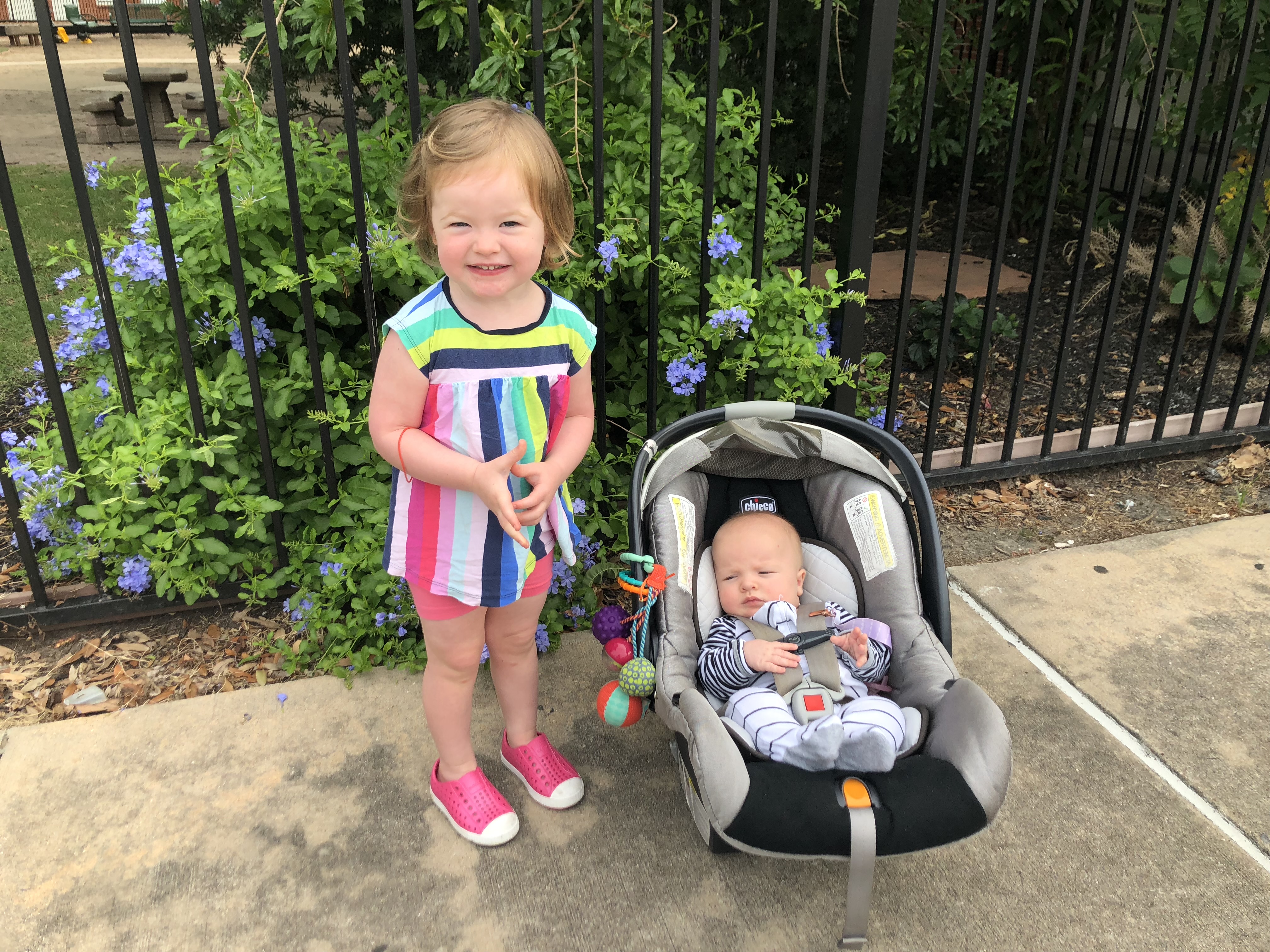
During my work in the hospital, I also gave birth to two children—experiences that taught me invaluable lessons about motherhood, learning to eat, and the challenges of breastfeeding.
Feeding therapy isn’t just about skills. It’s about counseling, coaching, and meeting families where they are. It’s about understanding stress, trauma, and the emotional weight that often accompanies feeding challenges.
That philosophy became the foundation for everything I do.
The Birth of Little Eaters & Talkers
After working at the Children's Hospital for over 9 years, I saw a gap in care. Families needed timely, specialized feeding and speech support that was collaborative, relationship-driven, and accessible. They needed providers who could come into their homes, listen to their concerns, and work alongside them—not just hand them a checklist.
That’s how Little Eaters & Talkers was born.
What started as a small practice has grown into a multidisciplinary team offering speech-language therapy, feeding and swallowing support, lactation services, myofunctional therapy, and occupational therapy. We serve families in-home and virtually, always with a focus on evidence-based care and compassion.

What Sets Little Eaters & Talkers Apart
At Little Eaters & Talkers, we believe:
Feeding difficulties are complex—and rarely “just picky eating”
Caregivers are experts on their children and deserve to be heard
Therapy should feel supportive, not stressful
Education and coaching are just as important as hands-on treatment
Progress looks different for every family—and that’s okay
We prioritize collaboration with pediatricians, dietitians, OTs, lactation consultants, and other professionals to ensure families receive comprehensive, coordinated care.
Looking Ahead
As we continue to grow, my hope is that Little Eaters & Talkers remains a place where families feel safe asking questions, professionals feel supported, and children are given the opportunity to thrive—at their own pace.
This work is deeply personal to me. It’s shaped by every family I’ve met, every child I’ve learned from, and every experience that led me here.
Thank you for being part of this journey.
— Jean Hawney, MS, CCC-SLP, CLC, BCS-S
Founder & Owner, Little Eaters & Talkers