
Feeding Therapy in Spanish in Houston: In-Home Feeding and Swallowing Support for Spanish-Speaking Families
Introduction
I've heard some version of this from more than one family: "The therapy was good, but it was all in English. My mom feeds the baby during the day, and she didn't understand any of it." So the plan worked on therapy day, and fell apart the other six days of the week.
That isn't a parenting problem. It's an access problem. Feeding therapy only works when the people who actually feed your child understand the plan, feel confident with it, and can ask questions in the language they think in. For a lot of Houston families, that language is Spanish. Here's how Little Eaters & Talkers provides feeding and swallowing therapy in Spanish, and why it makes such a difference for your child.
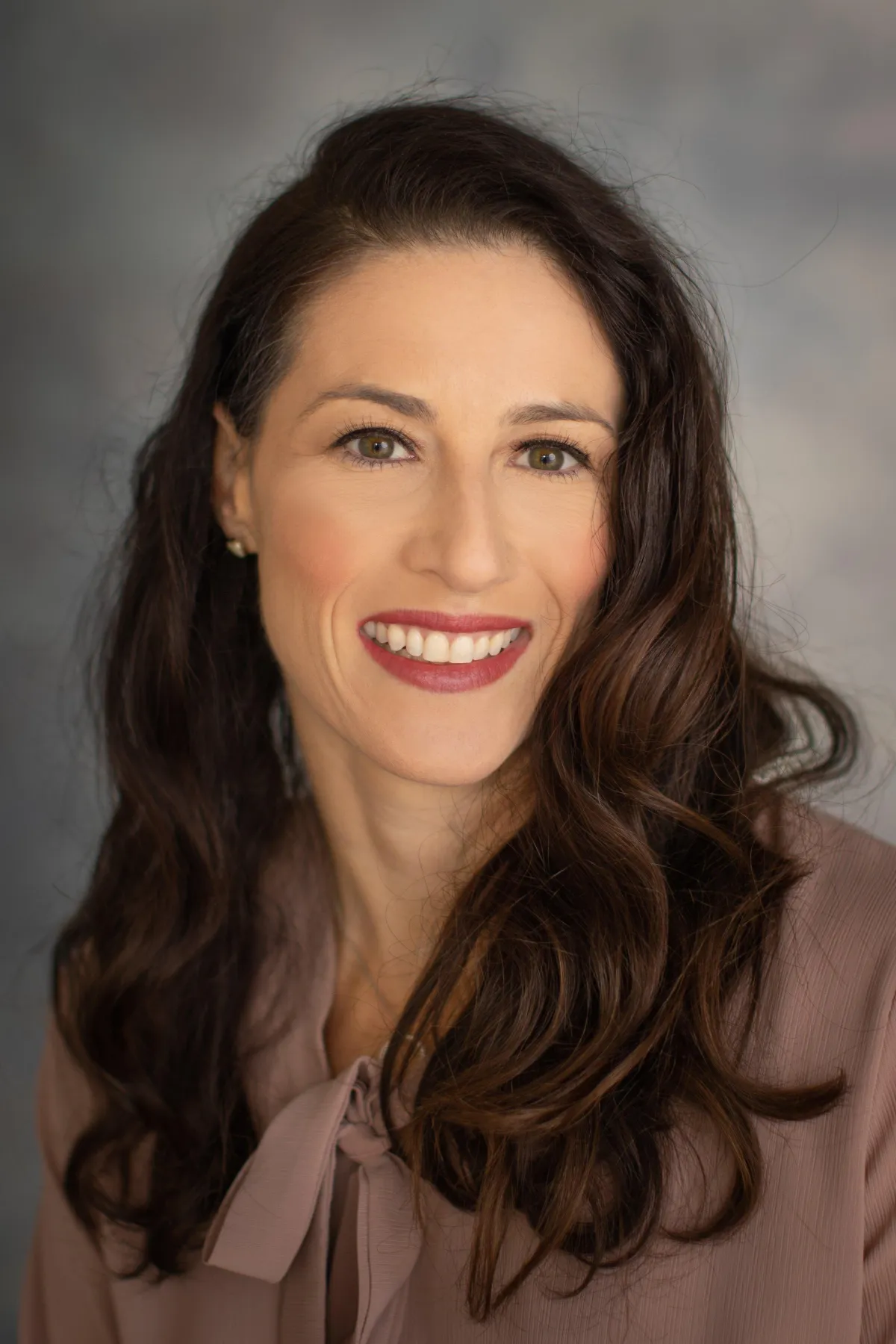
At Little Eaters & Talkers, Spanish-language feeding services are provided by Devin Marsh, M.A. CCC-SLP, and by me. That means your family works directly with a feeding specialist who speaks Spanish, not through an interpreter.
Why Language Matters So Much in Feeding Therapy
Feeding therapy is different from a lot of other therapies. I can't fix eating in a 45-minute session. The real change happens at the table every day: at breakfast, at snack time, at dinner with the whole family. That means caregiver coaching is at the heart of what we do.
If the parent, grandparent, nanny, or older sibling feeding your child can't fully follow the strategies, the strategies don't happen. Small details matter in feeding. How to hold the bottle, how fast to pace, what to say when a child pushes food away, when to stop a meal. Those details get lost when they're filtered through a second language, or through a family member translating on the fly.
When therapy happens in the language your family speaks at home, everyone gets the same information. You can ask the follow-up question. You can tell me what really happens at dinner without searching for the right word. And your child hears the same calm, familiar voice at every meal.
What Feeding and Swallowing Therapy in Spanish Looks Like
At Little Eaters & Talkers, we see infants and young children in their own homes across Bellaire and the Houston area. For Spanish-speaking families, that means the evaluation, the coaching, and the follow-up all happen in Spanish, in the place your child eats every day.
Feeding and swallowing therapy in Spanish can include:
A full feeding and swallowing evaluation, including your child's history, a real meal or bottle feed, oral-motor skills, and swallow safety
Caregiver coaching in Spanish for parents, grandparents, and anyone else who feeds your child
Home strategies and written plans in Spanish, so the plan is still there after I leave [Confirm which handouts are available in Spanish.]
Support for bottle feeding, breastfeeding challenges, and NICU graduates who are still learning to eat
Starting solids, picky eating, and food refusal, using our low-pressure, child-led approach
Collaboration with your child's pediatrician, GI, or dietitian, so the whole team is on the same page
If your baby recently came home from the NICU, you may also find our post on Feeding Therapy for NICU Graduates helpful.
Therapy That Fits Your Family's Food and Culture
Language is only part of it. Feeding is also about the food your family actually eats, and the way your family eats together.
I don't want to hand you a list of foods your family never cooks. If your table has arroz, frijoles, tortillas, caldo, fruta con limón, or pan dulce on Sunday mornings, those are the foods we work with. A child learning to chew can practice on a soft tortilla strip. A baby starting solids can explore well-mashed beans, which happen to be a great iron-rich first food. Your family's meals aren't an obstacle to therapy. They're the therapy.
We also make room for the people who feed your child. In many families, abuela is a huge part of mealtimes. She's welcome at sessions, and her questions matter just as much as yours.
Not sure where to start at home? Our free Sensory Explorer guide is a good first step for figuring out what might be behind your child's food refusal. [Note: add Spanish version link here if/when available.]
Signs Your Child Might Benefit From a Feeding Evaluation
You don't need to wait until things feel like an emergency. Consider reaching out if your child:
Takes 30 minutes or more to finish most bottles or meals
Coughs, chokes, or gags during most feeds
Has noisy or wet-sounding breathing during or after eating
Arches, cries, or turns away when they see the bottle, breast, or spoon
Isn't gaining weight as expected
Eats a very small list of foods, or the list keeps getting shorter
Has trouble moving from purees to more textured foods
Makes you feel stressed or scared at every meal
That last one counts. If mealtimes feel hard, that's useful information, and you deserve support.
A Note on Bilingual Kids and Speech
Since we're Little Eaters & Talkers, I want to clear up one worry I hear a lot: speaking Spanish at home does not cause speech or language delays. Children are fully able to learn two languages. Keeping your home language strong is good for your child, and it keeps them connected to the people who love them most.
So keep talking, singing, and naming foods in Spanish at the table. "Mira, es una zanahoria. Está crujiente." That everyday mealtime talk supports both eating and language.
FAQ
Do you offer feeding therapy in Spanish in Houston?
Yes. Little Eaters & Talkers provides feeding and swallowing therapy in Spanish for families in Bellaire and the Houston area, with sessions in your home. Devin Marsh and I both provide services in Spanish.
Can my child's grandparent or nanny join sessions?
Absolutely. We encourage anyone who regularly feeds your child to join, since consistency across caregivers helps progress happen faster.
Do I need a referral from my pediatrician?
It depends on your insurance plan. Many families start with a referral from their pediatrician, and we're happy to help you figure out next steps when you contact us. [Confirm insurance/Medicaid wording.]
Will therapy use foods from our culture?
Yes. We work with the foods your family already cooks and eats. That makes it easier to keep practicing between sessions, and it helps your child feel at home at the family table.
My child is bilingual. Should we only speak English to help their speech?
No. Speaking your home language does not cause speech delays. Keep using the language your family is most comfortable with.
Closing
Your child deserves feeding support that fits your family, in your language, in your home, with your foods. And you deserve to understand every part of the plan and feel confident carrying it out.
If mealtimes have been a struggle and you've been looking for help in Spanish, we'd love to hear from you. Book a consultation, or download our free resources at thelittleeaters.com/FreeDownloads to get started.
Written by Jean Hawney, M.A. CCC-SLP — Feeding Specialist at Little Eaters & Talkers in Bellaire, TX. Jean works with infants and toddlers to make mealtimes easier for the whole family. Book a consultation →