
SPACE Parenting for Pediatric Feeding Disorders
SPACE Parenting, Anxiety In Children, Pediatric Feeding Disorders, Caregiver Support
How SPACE Parenting Helps Families Facing Pediatric Feeding Disorders
Discover how SPACE (Supportive Parenting for Anxious Childhood Emotions) can gently transform mealtimes, ease anxiety in children, and support caregivers of kids with pediatric feeding disorders.
Introduction
A parent told me, a little sheepishly, that he'd made four different dinners the night before. Chicken nuggets from one specific brand. Plain noodles, no butter. Toast cut into triangles, never squares. And a backup pouch "just in case." His daughter still cried at the table.
He wasn't doing anything wrong. He was doing what loving parents do when their child is scared — he was trying to make the fear go away. But here's what I've learned: sometimes the things we do to help our child feel safe in the moment are the very things that keep the fear stuck.
That's why I'm so excited to share that I've completed training in SPACE — a parent-based approach for childhood anxiety, adapted for kids with pediatric feeding disorders. Here's what SPACE is, why it matters for feeding, and how it will shape the way I work with your family.
What Is SPACE Parenting, Really?
SPACE, which stands for Supportive Parenting for Anxious Childhood Emotions, is a parent-based treatment designed to reduce anxiety in children. Instead of focusing on changing the child’s behavior directly, SPACE Parenting focuses on changing what caregivers do in response to their child’s anxiety.
The core idea is simple but powerful: when kids are anxious, parents naturally want to help by stepping in, rescuing, or avoiding triggers. Over time, these well-meant accommodations can accidentally keep anxiety going. SPACE offers supportive parenting strategies that replace accommodation with calm, confident, and compassionate responses that build a child’s resilience and childhood emotional health.
💡 Friendly Reminder: SPACE never blames parents. It respects how hard you are already trying and simply offers new tools to support your child’s progress.
My Journey to Becoming a Trained SPACE Provider
I was drawn to SPACE Parenting after working with families who felt stuck in cycles of worry, guilt, and frustration around their child’s anxiety. Many caregivers told me, “I know I’m accommodating, but I don’t know what else to do.” I wanted a structured, evidence-based way to answer that very real, very human concern.
To become a trained SPACE provider, I completed specialized training created by the developers of the model. This included learning the theory behind Supportive Parenting for Anxious Childhood Emotions, practicing how to map out family accommodations, and developing clear, supportive language for parents to use with their children. I also received supervision and feedback to ensure I could deliver the program in a way that feels both professional and warmly human for families seeking caregiver support.
Throughout this process, I kept thinking about families dealing with pediatric feeding disorders. Mealtimes can be incredibly stressful: tears, refusals, negotiations, and the constant worry about nutrition and growth. I realized SPACE could be a gentle but powerful fit for these families too.

Structured SPACE training blends science with warmth to support real families.
Why SPACE Matters for Pediatric Feeding Disorders
Children with pediatric feeding disorders often experience intense anxiety around eating: fear of choking, strong sensory reactions to textures, or memories of past medical procedures. Caregivers, understandably, work very hard to prevent distress and keep calories going in. That can look like preparing multiple “safe” meals, distracting during bites, or ending meals quickly when emotions rise.
These patterns are loving and protective, but they can also become forms of accommodation that keep both the anxiety and the feeding challenges in place. SPACE Parenting offers a roadmap to shift from “How do I stop the meltdown right now?” to “How can I respond in a way that supports long-term progress for my child’s emotional health and feeding skills?”
📌 Key Takeaway: SPACE doesn’t force children to eat. It helps caregivers respond to anxiety in a way that makes mealtimes calmer, safer, and more predictable for everyone.
How I Use SPACE Strategies With Caregivers at the Table
SPACE fits naturally with how I already work — low pressure, child-led exposure, and a lot of caregiver coaching. What it adds is a clear, structured way to support you. Here's what that will look like for families at Little Eaters & Talkers:
1. We'll Map Your Family's Accommodations Together
No judgment, no blame. We'll look at a typical day of meals and snacks and gently notice where the fear is setting the rules. Most parents are surprised by how much they're carrying.
2. You'll Learn Supportive Statements
A supportive statement combines acceptance ("I know this feels really scary") with confidence ("and I know you can handle it"). It sounds simple, but it replaces both the pressure ("just try it!") and the rescue ("okay, you don't have to look at it"). I'll help you find words that sound like you.
3. We'll Pick One Accommodation to Change — Slowly
We don't overhaul everything at once. Together we choose one small, specific change — like putting a family food on the table in a separate bowl, or making one dinner with a safe food included instead of two separate meals. You'll have a plan for what to say and do, and what to expect if your child protests.
4. Your Child Still Gets My Low-Pressure Approach
SPACE doesn't mean forcing bites. It never does. I'll keep working with your child on sensory exploration, oral motor skills, and positive food experiences — while you work on the environment around them. The two together are powerful.
5. We'll Support the Whole Family
Siblings, grandparents, co-parents — anyone who feeds your child can be part of the plan. Consistency across caregivers makes change happen faster.
These supportive parenting strategies are always tailored to each family’s values, culture, and feeding goals. My role as a trained SPACE provider is to walk alongside you, offering structure, encouragement, and practical tools so you don’t feel alone in the process.
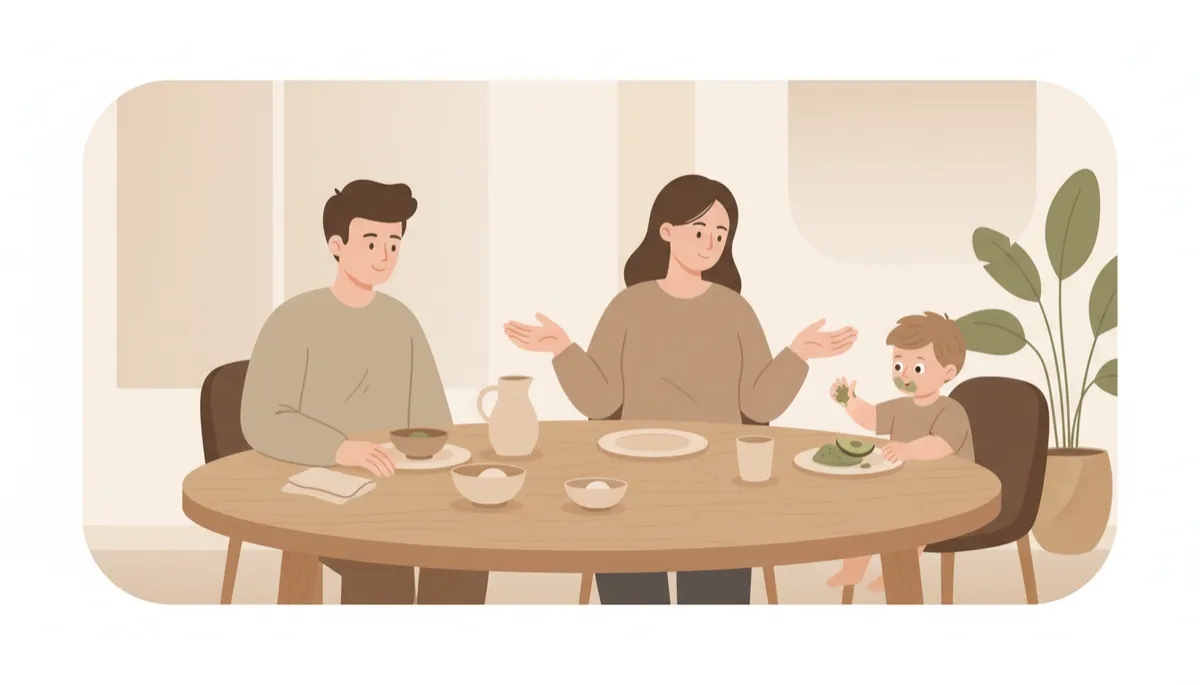
Consistent, supportive responses help anxious eaters feel safer exploring food over time.
A Note for Professionals
For pediatricians, OTs, RDs, and mental health providers who refer to Little Eaters & Talkers: I'm integrating SPACE principles into feeding therapy and caregiver coaching within my scope as a speech-language pathologist. For children with significant anxiety, OCD, or ARFID that needs psychological treatment, I'm glad to collaborate with the child's mental health provider so the feeding plan and anxiety plan line up.
If you have families where the mealtime routine has become organized around fear — separate meals, rigid rules, constant reassurance — I'd love to talk about how we can support them.
If this sounds like your family, I'd love to talk. Book a consultation, or grab our free resources at thelittleeaters.com/FreeDownloads to get started at home.
FAQ
Is SPACE only for kids with ARFID? No. SPACE was originally developed for childhood anxiety and OCD. The feeding adaptation is helpful for kids with ARFID, pediatric feeding disorders, and extreme picky eating where fear is driving the avoidance.
Does my child have to participate in SPACE? The core of SPACE is parent-focused, which is one of its biggest strengths — it can help even when a child refuses therapy. In my practice, your child will still have their own feeding therapy sessions alongside the parent coaching.
Isn't reducing accommodation just putting pressure on my child? Not at all. Reducing accommodation changes what you do — not what you make your child do. You're not forcing bites; you're gently stepping back from the rules that keep the fear in charge, while offering lots of support.
How young can a child be for SPACE-based coaching? [Add your guidance here — e.g., the ages you see and how you adapt SPACE for toddlers and preschoolers.]
Will things get harder before they get better? Sometimes, briefly. When a parent stops accommodating, kids often protest at first. That's expected — and we'll plan for it together so you feel prepared, not blindsided.
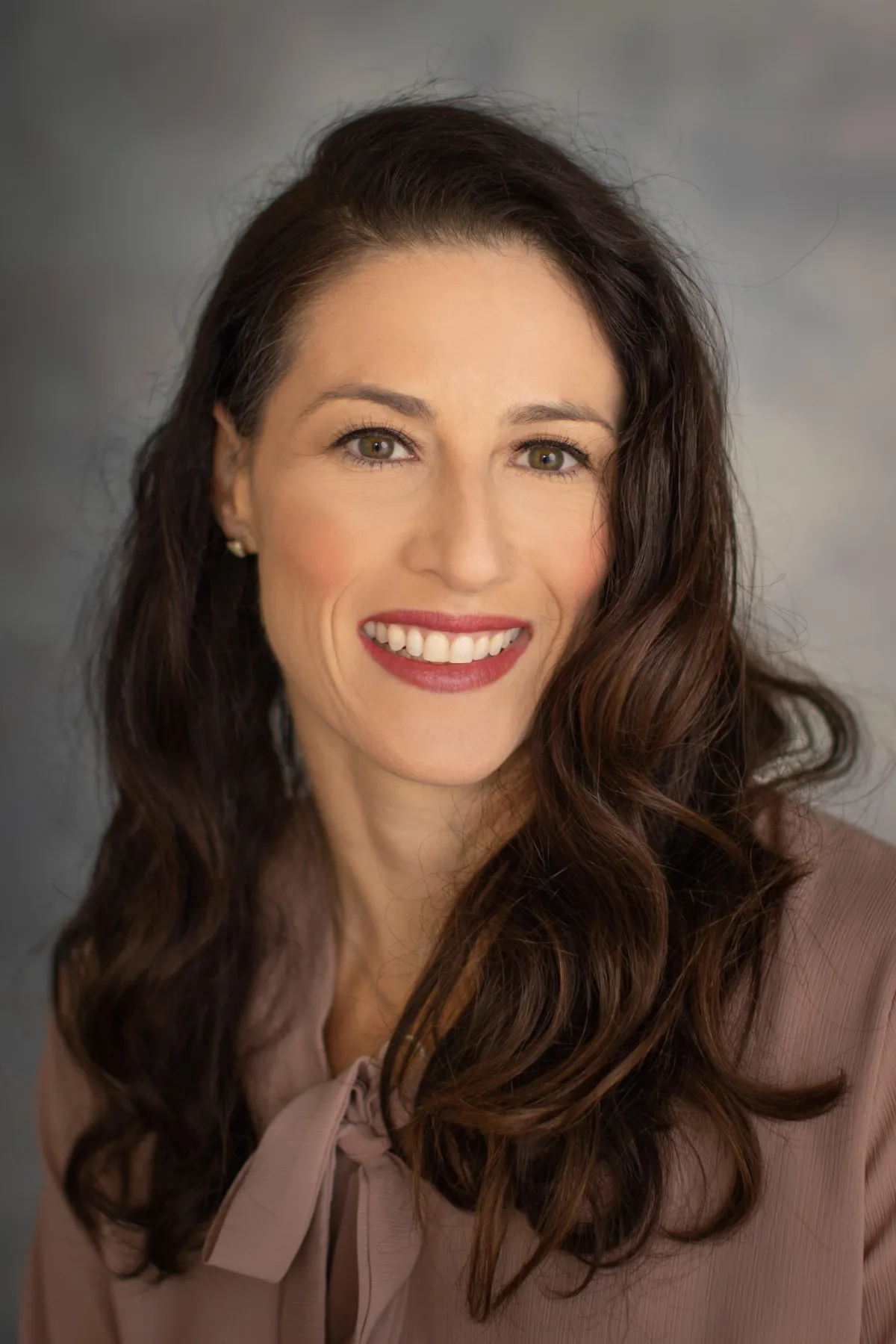
Written by Jean Hawney, M.A. CCC-SLP — Feeding Specialist at Little Eaters & Talkers in Houston, TX. Little Eaters & Talkers works with infants and toddlers to make mealtimes easier for the whole family. Book a consultation →