
Why Your Toddler Is Still Constipated on Miralax
Miralax Infants, Children Constipation, Safe Laxatives Kids, Parenting Health Tips, Treating Constipation naturally
MiraLAX for Infants and Children: What Parents Need to Know About Constipation Relief
Constipation in babies and kids is common, stressful, and often confusing for parents. From wondering if Miralax for Infant use is safe to searching for Safe Laxatives Kids can take and ways of Treating Constipation naturally, it can be hard to know where to start. This guide walks you through evidence-based options, practical Parenting Health Tips, and when to talk with your child’s doctor about MiraLAX and other treatments.
Understanding Constipation in Babies and Kids
Constipation is incredibly common in infants, toddlers, and young children. And when a child is struggling to poop, one of the recommendations parents may hear from their pediatrician is to use MiraLAX.
MiraLAX (polyethylene glycol 3350, or PEG 3350) works by pulling water into the stool, making it softer and easier to pass. For many children, it can be an effective part of constipation treatment.
But as a pediatric feeding and swallowing specialist, I think we need to ask another question:
Why is this child constipated in the first place?
Because while making stool easier to pass can provide much-needed relief, it doesn't necessarily address what contributed to the constipation.
Constipation in children generally means fewer bowel movements than usual, hard or painful stools, or stool withholding. In infants, signs may include grunting, crying, or a firm belly. In older children, you might see skid marks in underwear, large stools that clog the toilet, or your child avoiding the bathroom altogether. Current pediatric guidelines emphasize starting with gentle, non-drug strategies before moving to medications, especially for very young children (WGO 2025; AGA–NASPGHAN 2026).
MiraLAX and Polyethylene Glycol: How It Works for Children
MiraLAX is the brand name for polyethylene glycol 3350 (PEG 3350), an osmotic laxative. It works by drawing water into the stool, making it softer and easier to pass. In current pediatric constipation pathways, PEG is recommended as a first-line medicine for older children with functional constipation and for disimpaction when needed (AGA–NASPGHAN Clinical Care Pathway, 2026). Many families hear about it when searching for Safe Laxatives Kids can use because PEG has been widely studied and is generally effective when used under medical supervision.
However, it’s important to understand that the U.S. product label for MiraLAX says it is not recommended for children under 17 years unless directed by a doctor (WebMD). In practice, many pediatricians prescribe it “off-label” for children to manage constipation (Parents.com), using doses guided by clinical research and expert guidelines (NCBI).
Is MiraLAX Safe for Infants?
When it comes to Miralax Infants use, caution is essential. Most over-the-counter guidance and many experts do not recommend MiraLAX for infants unless a pediatrician specifically advises it and closely monitors treatment. Research on PEG in children shows it can be effective and generally well tolerated, but infants—especially under six months—have different fluid and electrolyte needs, and their bodies are more vulnerable to dosing errors or dehydration.
If your baby is constipated, do not start MiraLAX on your own. Instead, call your pediatrician or family doctor. They can:
Rule out red flags such as poor weight gain, vomiting, or blood in the stool
Suggest age-appropriate options like small formula adjustments, breastmilk guidance, or glycerin suppositories if needed
Decide whether any laxative, including PEG, is appropriate and at what dose
⚠️ Parenting Health Tip: Never give MiraLAX, herbal teas, or other laxatives to an infant without direct medical advice. Infants can become dehydrated or unwell much more quickly than older children.
MiraLAX for Older Children: When Doctors May Recommend It
For toddlers, school-age children, and teens, PEG-based products like MiraLAX are often part of a stepwise plan when diet and behavior changes alone aren’t enough. Current guidelines recommend PEG as first-line pharmacologic therapy for functional constipation, both for “clean-out” (disimpaction) and for daily maintenance at lower doses (AGA–NASPGHAN 2026).
If your child’s doctor suggests MiraLAX or another PEG product, ask:
Why this medicine? How it fits into your child’s overall plan for Children Constipation
What dose and for how long? Many kids need several months of maintenance to retrain the bowel and avoid relapse
What to watch for? Changes in stool pattern, abdominal pain, or other side effects that should prompt a check-in
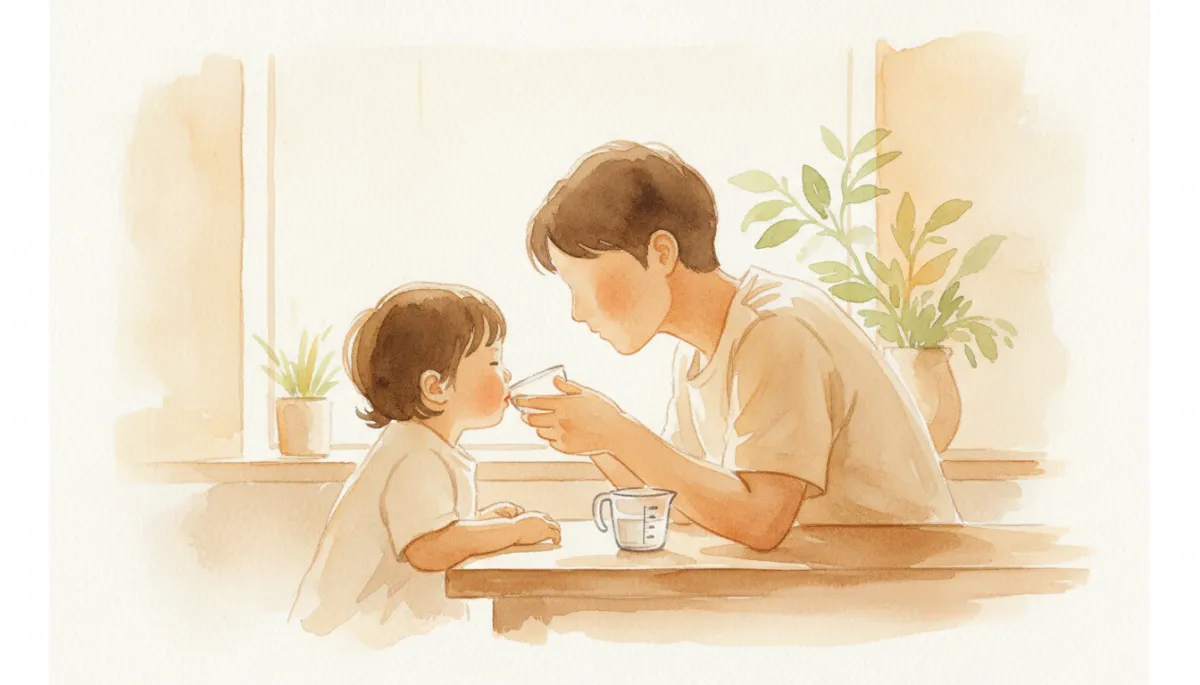
Daily routines with fluids, fiber, and calm support make laxatives work better and may reduce how long they are needed.
Constipation Can Be Part of the Feeding Picture
When I evaluate a child with feeding difficulties, I don't just want to know what happens at the table. I want to know what happens throughout the entire digestive and feeding cycle.
What is the child drinking?
How much water are they getting?
How much milk are they consuming?
What foods do they actually eat—not what foods are offered?
Are they eating fruits, vegetables, whole grains, fats, and other foods that support regular stooling?
Are they grazing throughout the day?
Are they physically active?
Are they withholding stool because pooping has become painful?
Do they have sensory differences that make using the toilet difficult?
These questions matter.
For example, consider a toddler who drinks a large volume of milk throughout the day and eats primarily crackers, cheese, yogurt, pasta, and a handful of other preferred foods. They may consume very little water and have minimal exposure to fiber-rich foods.
We can soften that child's stool—but we should also be looking at the feeding pattern contributing to the problem.
Feeding Difficulties and Constipation Can Feed Each Other
This is particularly important for children with pediatric feeding disorder, extreme food selectivity, or neurodevelopmental differences.
A child may have a very limited repertoire of foods because of sensory differences, oral-motor difficulties, anxiety around food, gastrointestinal discomfort, or strong preferences for sameness.
That limited diet may contribute to constipation.
Then constipation can make the child feel full, uncomfortable, bloated, or less interested in eating.
The child eats less or becomes even more selective.
Parents understandably rely more heavily on the few foods the child will reliably eat.
And the cycle continues:
Limited diet → constipation → discomfort/decreased appetite → increased feeding difficulty → even more limited diet
This is why bowel habits are something I routinely ask about during feeding evaluations.
Neurodivergent Children May Need an Even Broader Look
For children with autism, ADHD, sensory processing differences, or other neurodevelopmental differences, constipation can be particularly complex.
It may not simply be a matter of "eat more fiber."
A child may have significant sensory aversions to fruits and vegetables. They may strongly prefer specific brands, textures, temperatures, or presentations. They may not recognize or respond to internal body signals in the same way another child does. Some children withhold stool because the sensation of having a bowel movement or using the toilet is uncomfortable or unpredictable.
Others may have difficulty drinking enough water or may rely heavily on milk or another preferred beverage.
This is where a multidisciplinary approach can be incredibly valuable.
The answer may involve a pediatrician or gastroenterologist and a feeding therapist, occupational therapist, dietitian, or other appropriate provider.
Look Beyond the Poop
When constipation becomes recurrent or chronic, I want families and providers to zoom out.
Instead of asking only:
"What can we give this child so they poop?"
Let's also ask:
"What is making it difficult for this child to stool comfortably and consistently?"
That assessment might include:
Total milk and other beverage intake
Water intake
Actual dietary variety
Fiber intake
Mealtime and snack patterns
Feeding skill development
Food selectivity and sensory preferences
Physical activity and mobility
Stool withholding
Toileting behaviors
Medications and supplements
Pain or previous negative experiences with stooling
Possible underlying gastrointestinal or medical conditions
And importantly, some children genuinely do need medication as part of their treatment plan. Chronic constipation can lead to painful stools and withholding, creating a cycle that can be difficult to break. Medication may be an important part of getting that cycle under control.
The goal isn't to vilify MiraLAX.
The goal is to make sure we're not stopping the investigation there.
Sometimes We Need to Treat the Symptom AND the Cause
If your child's pediatrician recommends MiraLAX, don't discontinue it or change the dose without discussing it with their healthcare provider.
Instead, consider asking:
"What do you think is contributing to my child's constipation, and what can we work on alongside the medication?"
For a child with feeding difficulties, that question can open an important conversation.
Sometimes we need to soften the stool while simultaneously expanding food variety.
Sometimes we need to adjust milk intake while working on water acceptance.
Sometimes we need feeding therapy to help a child tolerate new textures or fiber-containing foods.
Sometimes we need occupational therapy to address sensory, motor, or toileting challenges.
And sometimes persistent constipation warrants further evaluation by a pediatric gastroenterologist.
MiraLAX can be a tool. But for a child with chronic constipation—especially when feeding difficulties are also present—the bigger goal should be understanding the whole child, not just getting them to poop.
Supporting Your Child and Yourself
Constipation can be emotional—for children and for parents. Kids may feel embarrassed or afraid of painful stools, and caregivers can feel guilty or overwhelmed. Remember:
You didn’t cause this. Constipation is extremely common and often linked to developmental stages, diet shifts, or toilet training.
Gentle routines, patience, and consistent Parenting Health Tips—like calm toilet time and balanced meals—are powerful tools alongside any medicine your doctor recommends.
Working closely with your pediatrician, you can find the right mix of natural strategies and, when needed, Safe Laxatives Kids can use to restore comfort and confidence. With time, most children achieve regular, pain-free bowel habits—and families can finally breathe a little easier.
Check out my Instagram post on Miralax
Check out my Linktree store on holistic remedies.
Favorite Books for Kids about Pooping
Written by Jean Hawney, M.A. CCC-SLP — Feeding Specialist at Little Eaters & Talkers in Houston, TX. Jean works with infants and toddlers to make mealtimes easier for the whole family. Book a consultation →